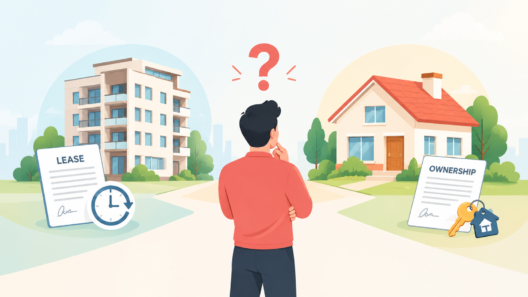

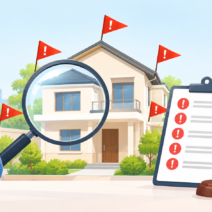

You finally find the home you’ve been dreaming about. The price fits your budget, your loan gets approved, and everything seems to be falling into place.
Then comes the paperwork and suddenly, the final amount is much higher than you expected. Stamp duty, registration fees, GST, maintenance deposits, parking charges, legal fees… the list goes on.
These hidden charges when buying a home often catch buyers off guard because they’re rarely discussed upfront.
The truth is, buying a home involves much more than paying the property’s listed price. Knowing these additional costs beforehand can help you plan your finances better, avoid last-minute surprises, and make more confident decisions.
In this blog, we’ll break down the legal, mandatory, and often-overlooked expenses every homebuyer should know before signing the final agreement.
Hidden Charges When Buying a Home You Should Budget For
The listed price of a home is rarely the final amount you’ll end up paying. Between government taxes, builder-specific charges, bank fees, and post-possession expenses, the total cost can increase significantly if you haven’t planned for it. While some of these charges are mandatory, others depend on the project, location, or amenities offered.
Understanding these hidden charges when buying a home before signing the agreement can help you budget realistically and avoid unexpected financial strain later.
Government & Legal Charges
These are statutory charges that every homebuyer must pay to legally complete the purchase.
- Stamp Duty & Registration Charges: Stamp duty and registration charges are among the biggest additional costs when buying a home. They are paid to the state government to legally register the property in the buyer’s name. Since these charges vary across states, they can significantly impact your overall budget. Most importantly, banks generally do not finance these expenses through home loans, so you’ll need to arrange these funds separately.
- GST on Under-Construction Properties: If you’re purchasing an under-construction property, Goods and Services Tax (GST) becomes an additional expense. Currently, affordable housing attracts 1% GST, while other under-construction residential properties attract 5% GST without input tax credit. Ready-to-move homes with a valid Occupancy Certificate are exempt from GST, making them a preferred choice for buyers looking to reduce upfront costs.
- Legal Verification & Documentation Charges: Property documents should always be verified before making such a significant investment. Hiring a legal expert to verify the title deed, approvals, encumbrance certificate, sale agreement, and other ownership documents may involve professional fees, but it protects you from future disputes and legal complications. It’s a relatively small investment that offers long-term peace of mind.
- Property Tax & Municipal Charges: Once the property is registered, recurring expenses begin. Homeowners are responsible for annual property tax, and depending on the local authority, additional municipal levies such as water tax, sanitation charges, or infrastructure cess may also apply. These ongoing costs are often overlooked during the buying process but should always be factored into your long-term financial planning.
Home Loan Charges
Many buyers compare only interest rates while choosing a home loan, but several one-time charges accompany the loan approval process.
- Loan Processing Fees: Banks and financial institutions usually charge a processing fee, which is calculated as a percentage of the sanctioned loan amount. This fee covers administrative work involved in evaluating and approving your application.
- Technical & Legal Verification Charges: Before approving the loan, lenders conduct property valuation and legal verification to assess the property’s market value and verify ownership documents. These charges are generally payable by the borrower and are separate from the processing fee.
- Mortgage & Documentation Charges: Certain states also levy mortgage registration or Memorandum of Deposit (MOD) charges while creating the loan security. In addition, documentation, stamp papers, and administrative expenses may also be included during loan disbursement.
- Home Insurance: Although not mandatory in every case, many lenders recommend or require home insurance before disbursing the loan. A comprehensive policy protects your home against risks such as fire, natural disasters, theft, and accidental damage, making it a worthwhile long-term investment.
Builder & Society Charges
Apart from the property’s base price, developers often levy several project-specific charges that many buyers discover only during the final payment stage.
- Maintenance Deposit: Most builders collect an advance maintenance deposit at the time of possession to cover the upkeep of common facilities until the residents’ association takes over. Depending on the project’s size and amenities, this amount can range from several months to a few years of maintenance charges.
- Parking Charges: Parking isn’t always included in the apartment’s advertised price. Covered, basement, or additional parking spaces are often sold separately, especially in premium residential developments. Buyers with multiple vehicles should always clarify parking costs before booking.
- Clubhouse & Amenity Charges: Projects offering facilities like clubhouses, swimming pools, gyms, sports courts, landscaped gardens, or community halls may charge a one-time amenity fee. Since these charges vary from project to project, asking for a detailed cost sheet beforehand is always advisable.
- Preferential Location Charges (PLC): If you choose a corner apartment, park-facing unit, higher floor, or premium-facing home, the builder may apply Preferential Location Charges. These additional costs are common in large residential developments and can noticeably increase the final purchase price.
- Floor Rise Charges: Many developers charge an additional amount for apartments located on higher floors. While the increase per floor may appear small, the cumulative cost can become substantial, particularly in high-rise residential projects.
Moving-In & Post-Possession Expenses
Even after registration and possession, several expenses are necessary before your new house truly feels like home.
- Interior & Customisation Costs: Most newly handed-over homes require interior work such as modular kitchens, wardrobes, lighting fixtures, curtains, air conditioners, furniture, and minor electrical or plumbing modifications. Depending on your preferences, these costs can easily run into several lakhs.
- Utility Connection Charges: Electricity meter installation, water connections, piped gas deposits, internet setup, and other utility services are often billed separately. Though individually small, together they become another important component of your moving-in budget.
- Society Membership & Moving Costs: Homebuyers should also account for shifting expenses, deep cleaning, society membership deposits, appliance installation, and furniture transportation. These costs may not appear on the builder’s quotation, but they are unavoidable during possession and should be included in your financial planning.
Questions to Clarify Before You Book
Before you pay the booking amount, don’t hesitate to ask questions. A trustworthy builder will answer them transparently and provide written clarification wherever required. These conversations can save you from unexpected costs later.
Instead of asking only about the property’s price, make sure you understand the complete financial picture.
- Does the quoted price include all applicable charges, or will additional costs be added later?
- Which payments are due before possession, and which will be collected at the time of handover?
- Is parking included in the quoted price? If not, what are the available options and costs?
- Are maintenance, clubhouse, or amenity charges one-time payments or recurring expenses?
- Can any of these charges change before possession, and under what circumstances?
- What is the compensation policy if the project possession gets delayed?
- Which expenses will not be covered by my home loan and must be paid separately?
- Will I receive a detailed cost sheet showing every applicable charge before booking?
A few well-timed questions can give you complete cost clarity and help you avoid misunderstandings once the booking process begins.
Before You Pay the Booking Amount: A Smart Buyer’s Checklist
Before paying the booking amount or signing any document, take a few minutes to verify the details below. This simple checklist can save you from unnecessary costs and confusion later.
Ask for a Complete Cost Sheet
Never rely solely on the advertised property price. Request a detailed cost sheet that clearly mentions the Base Selling Price (BSP), GST, stamp duty estimate, registration charges, parking, maintenance deposit, clubhouse or amenity fees, Preferential Location Charges (PLC), floor rise charges, and any other applicable costs.
Confirm What’s Included in the Price
Don’t assume the quoted price is all-inclusive. Ask the builder to clearly specify which charges are included and which will be collected separately before possession.
Review the Payment Schedule
Understand exactly when each instalment is due and whether it’s linked to construction milestones or fixed timelines. A transparent payment plan ensures there are no unexpected demands midway through the project.
Read the Builder-Buyer Agreement Carefully
Before signing, compare the agreement with the cost sheet. Check that the payment schedule, possession timeline, cancellation policy, specifications, and every applicable charge match what was promised. If something isn’t mentioned in writing, ask for clarification.
Get Every Commitment in Writing
Whether it’s a waiver, discount, free parking, or a special offer, make sure it’s documented. Verbal assurances carry little value once the agreement is signed.
Plan Beyond the Purchase Price
Keep an additional 8–15% of the property’s value aside to comfortably cover registration, taxes, interiors, utility connections, shifting expenses, and other incidental costs that arise after booking.
Why Buying from a Trusted Developer Makes a Difference
While government taxes and statutory charges are unavoidable, many of the surprises homebuyers face come from poor communication, incomplete information, or unclear documentation. That’s why choosing the right developer is just as important as choosing the right home.
With Trimurty Builders & Developers, buyers benefit from a structured and transparent home-buying process backed by decades of experience in Rajasthan’s real estate market. From the initial enquiry to possession, every stage is designed to give buyers greater clarity and confidence.
What sets Trimurty Builders & Developers apart?
- RERA-registered projects with all necessary approvals.
- Transparent documentation and clearly defined payment schedules.
- Professional guidance throughout the purchase journey.
- Well-planned residential communities built for long-term value.
- A trusted legacy of delivering quality developments across Jaipur and Rajasthan.
When you choose an experienced developer, you’re not just investing in a property; you’re investing in a smoother, more informed buying experience.
Final Thoughts: Know the True Cost Before You Buy
Buying a home is one of the biggest financial decisions you’ll ever make, and understanding the complete cost is just as important as choosing the right property. From government taxes and home loan expenses to interiors and post-possession costs, every additional payment contributes to the true cost of homeownership.
While most hidden charges when buying a home are legitimate and unavoidable, they shouldn’t come as a surprise. The key is to understand them before you book the property. A detailed cost sheet, careful document verification, and realistic financial planning can help you avoid last-minute stress and make better investment decisions.
At the end of the day, the smartest homebuyers aren’t the ones who simply find the lowest price, they’re the ones who know exactly what they’re paying for. When every cost is transparent from the start, buying a home becomes a rewarding milestone rather than an unexpected financial burden.
FAQs
Can I negotiate the total cost of a home with the builder?
Yes, in some cases. While government charges are fixed, builders may offer flexibility on the property’s price, payment plans, parking, floor rise charges, or festive offers depending on the project and market conditions.
Is it safe to pay the booking amount before receiving all the documents?
It’s always advisable to review the cost sheet, payment schedule, and draft Builder-Buyer Agreement before paying the booking amount. This helps you understand the complete financial commitment and avoid future disputes.
What is the difference between the agreement value and the market value of a property?
The agreement value is the price mutually agreed upon by the buyer and seller, while the market value is the value determined by the government for calculating stamp duty and registration charges. Depending on the state, these values may differ.
What should first-time homebuyers prioritise apart from the property’s price?
Apart from affordability, buyers should evaluate the developer’s reputation, legal approvals, project location, construction quality, payment terms, and the total cost of ownership before making a purchase.