

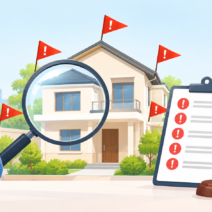

Buying a resale flat can be a great way to find a home in an established locality, but it requires careful document verification. Knowing the documents required to buy resale flat can help you check the seller’s ownership, confirm the property’s legal status, and reduce the risk of future disputes.
Unlike a new property purchase, a resale transaction involves reviewing the property’s previous ownership and transaction history. Buyers should therefore collect and verify important legal, financial, and property-related documents before paying the final amount.
Why Document Verification Matters for a Resale Flat
A resale flat has already been owned by one or more people. This makes document verification especially important because the buyer needs to establish that the current seller has the legal right to sell the property.
Proper verification can help you identify:
- Ownership issues
- Outstanding loans or charges
- Pending property dues
- Unauthorized construction
- Disputes or claims
- Missing approvals
- Problems with previous transactions
It is advisable to have important documents reviewed by a qualified property lawyer before completing the purchase.
Documents Required to Buy a Resale Flat
The exact requirements can vary by state, property type, housing society, and transaction. However, the following checklist covers many commonly requested documents.
1. Sale Deed
The current sale deed is one of the most important documents. It establishes the seller’s purchase and ownership rights in the property.
Check the document carefully for:
- Seller’s name
- Property description
- Property identification details
- Registration information
- Previous transaction details
2. Previous Sale Deeds
If the property has changed hands multiple times, buyers may need to examine earlier sale deeds to understand the ownership chain.
This helps establish continuity of title and identify potential gaps in ownership records.
3. Encumbrance Certificate
An Encumbrance Certificate (EC) can provide information about certain registered transactions and encumbrances associated with the property during a specified period.
It can be useful for checking whether registered mortgages or other transactions appear in the relevant records.
4. Property Tax Receipts
Ask the seller for recent property tax receipts or other applicable tax-payment records.
These can help determine whether property taxes and related dues have been paid.
5. Occupancy or Completion Certificate
Depending on the property and local regulations, an Occupancy Certificate (OC) or Completion Certificate (CC) may be important.
These documents can help establish compliance with applicable building and development requirements.
6. Approved Building Plan
The approved building plan can help buyers verify whether the building was constructed according to the plans approved by the relevant authority.
7. Society Documents
For a flat located in a housing society or apartment association, buyers may need documents such as:
- Society share certificate, where applicable
- Society NOC, where required
- Maintenance payment records
- Transfer forms
- Membership-related documents
- Details of outstanding society dues
The exact requirements depend on the society’s rules and local regulations.
8. Seller’s Identity and Address Proof
The seller may need to provide valid identity and address documents for the transaction and registration process.
Make sure the seller’s details match the ownership documents.
9. Loan Closure Documents
If the seller previously financed the flat through a home loan, verify that the loan has been fully settled before completing the purchase.
Relevant documents may include a loan closure letter, release documents, or other evidence required to confirm that the lender’s claim has been released.
10. Power of Attorney, If Applicable
If someone is selling the property on behalf of the owner, carefully verify the Power of Attorney (POA) and the authority granted under it.
Because property transactions through a representative can involve additional legal considerations, professional legal verification is strongly recommended.
Additional Documents You May Need
Depending on the property and location, additional documents may include:
- Mutation or property record documents
- Land conversion documents, where applicable
- Development authority approvals
- Building completion records
- Utility payment records
- Possession documents
- Inheritance or succession documents
- Legal-heir documents
- NOCs from relevant authorities
- Bank documents related to an existing or previous loan
Resale Flat Document Checklist Before Registration
Before signing the final sale agreement, buyers should ideally verify:
Ownership
- Current sale deed
- Previous ownership documents
- Seller’s identity
Legal status
- Encumbrance records
- Applicable approvals
- Occupancy or completion documents
Financial status
- Property tax receipts
- Society maintenance dues
- Loan closure or lender-release documents
Society records
- Share certificate, where applicable
- Society NOC, if required
- Transfer-related forms
Final Thoughts
Knowing the documents required to buy resale flat is an essential part of a safe property purchase. Reviewing ownership documents, encumbrance records, tax receipts, approvals, society documents, and loan-related paperwork can help you identify potential issues before completing the transaction.
Document requirements can differ depending on the state, local authority, property type, and housing society. Therefore, buyers should verify the applicable requirements and consider getting the documents reviewed by a qualified property lawyer before signing the final agreement or transferring a substantial amount of money.