
Buying a property is one of the biggest financial decisions you may make, so getting the right price matters. Learning how to negotiate property price can help you save money while securing a home or investment that meets your needs. Successful negotiation is not simply about asking for a lower price—it requires research, preparation, confidence, and good communication.
1. Research the Local Property Market
Before making an offer, research recent property prices in the same locality. Compare similar properties based on location, size, age, amenities, and condition. Understanding the current market gives you a realistic idea of the property’s value and helps you avoid making an offer that is either too high or unnecessarily low.
2. Check Comparable Property Prices
Look at recently sold or currently listed properties similar to the one you want to buy. This information can give you useful bargaining power. If comparable properties are available at lower prices, you can use those figures to support your offer during negotiations.
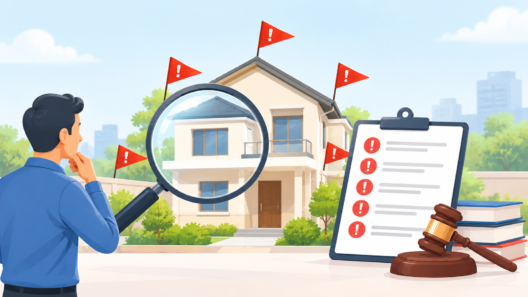
3. Inspect the Property Carefully
A detailed property inspection can reveal issues such as damaged flooring, plumbing problems, outdated electrical systems, water leakage, or required renovations. These problems can become valid reasons to negotiate the price.
Instead of simply saying the property is expensive, explain the expected repair or renovation costs and use them as part of your negotiation.
4. Understand the Seller’s Situation
Try to understand why the seller is selling. Someone who needs to relocate quickly or close a sale within a short period may be more flexible on price. However, avoid making assumptions. Ask polite questions and focus on creating a fair deal.
5. Don’t Reveal Your Maximum Budget
One important rule when learning how to negotiate property price is to avoid immediately revealing the maximum amount you are willing to pay. If the seller knows your exact budget, you may lose some negotiating power.
Instead, establish your preferred price range and decide your maximum limit privately before negotiations begin.
6. Make a Reasonable Opening Offer
Your first offer should leave room for negotiation but still be realistic. An extremely low offer may offend the seller or cause them to stop negotiations altogether. Support your offer with market research, property condition, and comparable prices.
7. Negotiate Beyond the Property Price
Sometimes the seller may not want to reduce the asking price significantly. In such cases, negotiate other terms that can reduce your overall costs. Depending on the transaction, you may discuss included fixtures, repairs, possession timelines, parking, or other agreed items.
8. Be Ready to Walk Away
A professional buyer knows when to stop negotiating. Set your maximum budget before making an offer and stick to it. If the final price does not make financial sense, be prepared to consider another property.
Walking away can also prevent emotional decisions that may lead to financial stress later.
9. Keep Your Negotiation Professional
Successful property negotiation should be respectful and practical. Avoid criticizing the property excessively or putting unnecessary pressure on the seller. Present facts, listen carefully, and communicate your offer clearly.
A calm and professional approach can make it easier for both parties to reach an agreement.
10. Review All Costs Before Finalizing
The purchase price is not the only expense involved in buying property. Consider registration charges, taxes, brokerage, maintenance, renovation expenses, loan-related costs, and other applicable fees before deciding your final budget.
A property that appears affordable at first may become expensive after adding these costs.
Final Thoughts
Knowing how to negotiate property price can make a significant difference when buying a home or investment property. Research the market, inspect the property, understand the seller’s position, make a well-supported offer, and maintain a clear budget. Most importantly, avoid rushing into a deal because of emotions or pressure.
With proper preparation and a confident approach, you can negotiate more effectively and work toward a property deal that offers better value for your money.